
-
Basic Tea House
-
Kathmandu
-
4010 m / 13156 ft
-
Beni
The Upper Mustang trek winds its way to the hidden Buddhist world of the Kingdom of Mustang, also known as Lo. This remote trans-Himalayan mountain area borders Tibet and has a distinct Tibetan feel, both in its people and culture and in its arid landscape of high cliffs and rocks of unusual formations and colour.
The trek visits Kagbeni, the gateway to Upper Mustang, then through a stark landscape in the rain shadow of the Dhaulagiri massif to Lo-Manthang, the seat of past Kings of the Kingdom of Lo.
Explore caves, rock paintings, monasteries, and gompa and learn something about the culture of this area. Panoramic views of Nilgiri, Annapurna, Dhaulagiri, and others, are very much part of this exciting trip!
Within Lo Manthang itself, a visit to Namgyal Gompa and Tingkhar, the last main village in the northwest of the area, as well as the King’s palace, brings a further cultural understanding of the area.
There is also an amchi (traditional Tibetan doctor) museum and school where visitors can learn about this ancient healing art and how it is being adapted to meet modern-day situations.
A few hours’ walk from Lo Manthang is Gyakar, with its famous Gompa. Ghar Gompa is over 1,200 years old, is dedicated to Guru Rinpoche, who traveled these areas then.
The Gompa is famous for its rock paintings and the fact it is believed that if you make a wish here, it will come true. So make a wish at the Ghar Gompa, and hope to return again someday!
The trek is at a relatively high altitude (3,000m to 3,800m), intensified by the dry air.
While it is no problem for those born at this altitude to travel at speed, visitors will be more leisurely in their hike to avoid any altitude-related problems. On average, walking takes 5 to 7 hours a day, and some paths are particularly windy and dusty.
But this trek into the restricted area of Upper Mustang, which in part follows the ancient salt route, will remain in one’s memory forever.
After breakfast, we set off early to drive to Pokhara. The road winds its way out of the Kathmandu Valley along the Trishuli River until the point we stop for lunch when the road becomes flatter.
On the way, we can watch rafters tackle the rapid on the river (your next trip perhaps?), and catch glimpses of mountains in the distance. On arrival in Pokhara, there are even more stunning mountains to see. In fact, you cannot escape the gaze of Machhapucchre (also known as Fishtail) which towers over the city at 6,993m.
After checking into your hotel you have time to explore the lakeside area, boat on Fewa Lake, visit one of the many lakeside bars before dinner or simply relax.
Note: we normally use tourists’ buses which are to a high standard. But if you would like to hire a private vehicle please let us know.
Your Upper Mustang adventure begins in earnest today with an early morning flight from Pokhara to Jomsom (2,720 m), a short yet scenic 20-minute journey through the Kali Gandaki Gorge, flanked by the towering Annapurna and Dhaulagiri ranges. The aerial views are breathtaking, offering a first glimpse of the arid landscapes that define Mustang.
Upon landing in the windy, high-desert town of Jomsom, you’ll begin your trek to Kagbeni, the ancient gateway to Upper Mustang. The trail follows the Kali Gandaki River, passing through sparse settlements, windswept valleys, and dramatic cliffs.
Kagbeni (2,810 m) is a picturesque village with mud-brick houses, red-and-white-washed monasteries, and narrow alleys steeped in Tibetan culture. After reaching Kagbeni, take time to explore the village, visit the 14th-century monastery, and absorb the unique fusion of natural and spiritual beauty.
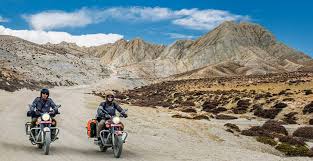
After breakfast in Kagbeni, your trek officially enters the restricted Upper Mustang region. You’ll check your permits before continuing north along the Kali Gandaki River, walking through a dramatic, arid landscape shaped by wind and time. The trail winds past canyons, caves, and eroded cliffs, offering a stark contrast to the greener areas of lower Mustang.
Along the way, you’ll pass the picturesque Tangbe village, a maze of whitewashed houses, prayer flags, barley fields, and apple orchards. After a short break, you continue toward Chhusang, a small riverside village nestled beneath towering red rock formations, a perfect spot for lunch and rest.
From Chhusang, you’ll cross a suspension bridge and begin a gradual but steady climb to Chele, located high above the river gorge. As you arrive, you’ll notice a shift in the environment and culture, the landscape becomes more barren, and the architecture begins to reflect the Tibetan-influenced traditions of Upper Mustang.
Today’s trek from Chele to Syangboche is both challenging and rewarding, as you navigate some of the most dramatic terrain in Lower Mustang. The trail begins with a steep ascent along dry, rugged cliffs and narrow gorges, soon leading to the Taklam La Pass (3,624 m), offering sweeping views of the Tilicho and Damodar Himal ranges. From here, the trail undulates over windswept ridges and passes fascinating cave dwellings carved into the cliffs.
As you continue, you’ll pass through Samar, a charming village surrounded by poplar trees and barley fields, often used for a short tea break or lunch. After Samar, you’ll descend into a deep gorge and then climb back up toward Bhena and Yamdo La Pass (3,850 m) before arriving in Syangboche (3,800 m), a small, peaceful settlement overlooking a vast high-altitude plateau.
This day tests your endurance but rewards you with incredible views, cultural encounters, and a deeper sense of Mustang’s remote beauty..
Today’s journey from Syangboche to Ghami offers one of the most scenic and culturally rich segments of the Upper Mustang Trek. The trail begins with a steady climb to the Yamda La Pass (3,850 m), where prayer flags flutter in the breeze and panoramic views stretch across Mustang’s high-altitude desert. From there, the trail continues through traditional villages like Gheling and Tamagaon, where whitewashed houses and mani walls reflect the deep-rooted Tibetan Buddhist culture.
After a lunch break and some rest, you’ll ascend again to the Nyi La Pass (4,010 m), one of the highest points on the trek, before making a steep descent into the beautiful village of Ghami (3,520 m). Surrounded by barren cliffs and deep canyons, Ghami is known for its red cliffs, ancient chortens, and the longest mani wall in Mustang, stretching across the valley floor. It’s a quiet, atmospheric place to spend the night, filled with history and Himalayan charm.
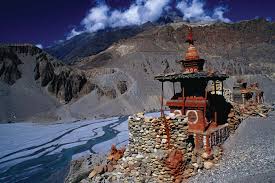
Today’s trek starts off over rough and sometimes slippery ground as we descend to a suspension bridge over the Ghami Khola. The trail takes us passed mani walls (stone-built walls with Tibetan mantras carved into the stones) and over the Charang La Pass (3,870m).
At the top of the Charang Chu canyon lies the village of Charang. This village also has a fortress and red gompa to the east of it. There is plenty of time to explore after lunch!
Dropping down into a canyon we cross a river and ascend to the Lo La pass (3,950m). From the pass we get our first look at the historic and beautiful village of Lo Manthang.
This walled village is the traditional home to the King of Lo and is still the scene of many interesting and colourful Buddhist festivals. The surrounding mountains – Nilgiri, Tilicho, Annapurna I and Bhrikuti Peak at to the atmosphere of the place.
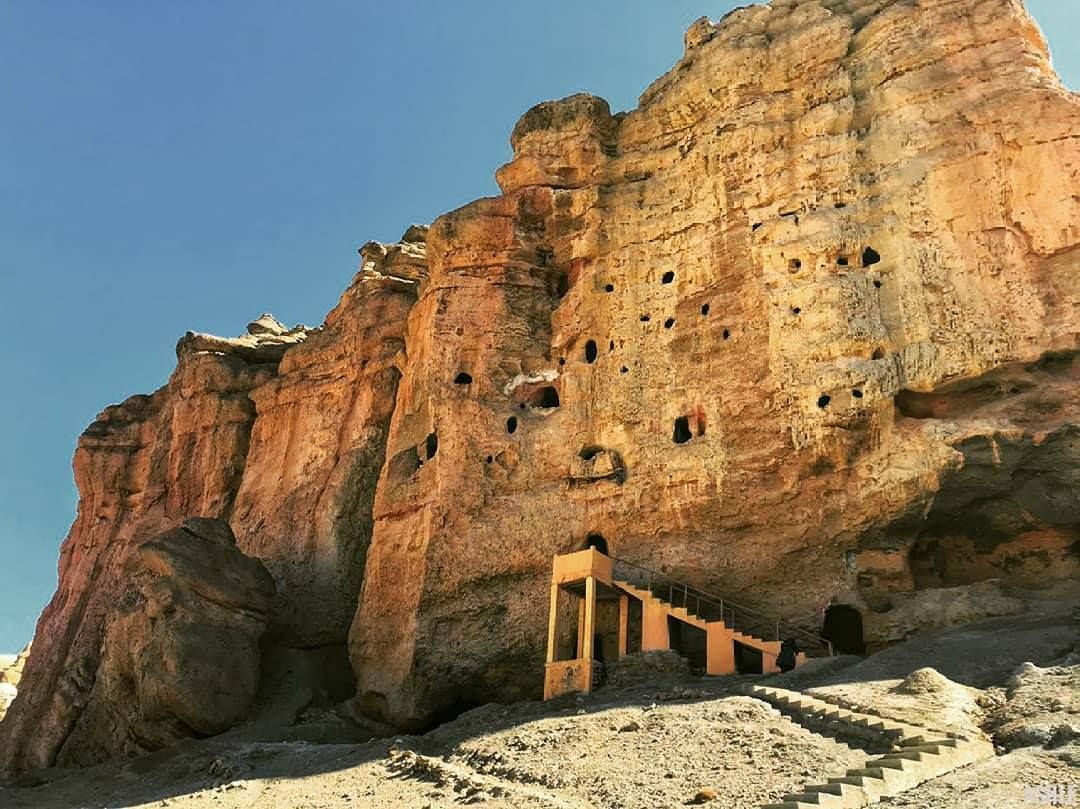
Today we get to explore some of the mysteries of Upper Mustang. A short trek to the area of Chhoser is the beginning of a day you will not forget! Here we find what is known as the Jhong Caves or even Sky Caves.
What these are five-storey high caves built into the side of cliffs. Researchers are still puzzling as to who built these caves and why. It is assumed they were used as burial chambers, hiding places, places of meditation and later, monasteries.
But no one really knows the origins of these amazing caves. We can explore some of these caves, taking a packed lunch with us so we can enjoy the atmosphere of the caves, lunar-like landscape and mountains while relaxing also. Then we head back to Lo Manthang were we overnight again.
Leaving the ancient walled city of Lo Manthang, you embark on a scenic and spiritually rich route to Dhakmar, often considered one of the most visually stunning sections of the Upper Mustang Trek. Instead of retracing your steps, this alternative trail leads you through remote highland pastures, dramatic red cliffs, and ancient caves, offering a deeper glimpse into Mustang’s mystical terrain. En route, you’ll visit Ghar Gompa, one of the oldest Tibetan monasteries in the region, associated with the legendary Guru Rinpoche (Padmasambhava). It’s said that wishes made here come true, making it a meaningful spiritual stop.
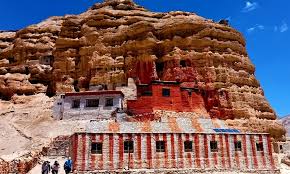
As you continue, the trail undulates through windswept passes and hidden valleys before descending into Dhakmar, a striking village known for its vivid red cliffs, said to be stained by the blood of a slain demon in local legend. This mystical landscape, combined with the quiet charm of the village, makes Dhakmar a memorable and peaceful overnight stay.
After a peaceful night in the mystical village of Dhakmar, today’s trek leads you southward through the stunning, high-altitude landscapes of Upper Mustang. The trail begins with a gradual climb back through the desert-like ridges and windswept valleys, retracing part of your earlier route but offering new perspectives of the dramatic cliffs and wide, open plateaus.
You’ll pass by Ghar Gompa once again if you didn’t visit it the previous day, a sacred and historic monastery linked to Guru Rinpoche. As you descend further, the terrain becomes more hospitable, with the occasional patch of green fields and stone-walled farms emerging along the way.
By afternoon, you’ll arrive in Ghiling (also spelled Geling), a peaceful village nestled against a barren slope. Known for its traditional houses, ancient chortens, and a beautiful monastery, Ghiling provides a quiet and culturally rich overnight stay. The winds tend to pick up in the afternoon, so an early start is recommended for a more comfortable trek.
Includes
- 11 nights’ accommodation in mountain teahouses
- 2 nights accommodation in Pokhara (Kuti Resort or similar)
- Guide for 14 days
- Kathmandu Pokhara Kathmandu Tourist Bus
- check circle green icon
- Pokhara Jomsom Pokhara flight
- check circle green icon
- Annapurna conservation area permit
- check circle green icon
- Restricted area permit
- check circle green icon
- 12 x breakfast, 11 x lunch and 11 x dinner while on the trek
Excludes
- One Porter for 14 days USD 256
- Lunch and dinner in Pokhara
- Mineral water, cold drinks and alcoholic beverages during the whole trip.
- Hotel accommodations & meals at if you stay anywhere at the hotel during whole trip.
- Things of personal use.
- Member insurance.
- International airport pick up drop (if you order we can arrange).
- Airfare (Kathmandu-Biratnagar-Kathmandu).
- Sleeping bag.
Upper Mustang is located in the northwestern part of Nepal, within the Mustang District of Gandaki Province, near the border with Tibet (China). It lies beyond the main Himalayan range, offering a remote, high-altitude landscape with strong Tibetan cultural and historical influences, centered around the ancient walled city of Lo Manthang.
The best time to do the Upper Mustang Trek is in spring (March to May) and autumn (September to November), when the weather is clear and temperatures are pleasant. You can also trek during the monsoon (June to August), as the region remains dry, and this is when the vibrant Tiji Festival takes place in Lo Manthang, offering a rich cultural experience.
Major attractions of the Upper Mustang Trek include the walled city of Lo Manthang, ancient Tibetan monasteries like Ghar Gompa and Lo Gekar, the unique desert-like Himalayan landscapes, the vibrant Tiji Festival, and immersive experiences with the Tibetan-influenced culture of the Loba people, all set within a remote and restricted region that offers a rare and culturally rich trekking adventure.
The Upper Mustang Trek typically takes 12 to 15 days to complete, depending on the starting point, route, and acclimatization schedule. Some itineraries may be shorter or longer based on side trips or travel preferences.
The highest point of the Upper Mustang Trek is typically Lo La Pass, which stands at an altitude of approximately 3,950 meters (12,959 feet). Some itineraries may go slightly higher depending on side trips, but Lo Manthang (3,840 meters) is the main high point and cultural highlight of the trek.
Yes, beginners can do the Upper Mustang Trek, as it involves moderate walking distances and gradual altitude gain, making it suitable for those with good basic fitness. However, due to its remote location, high elevation, and restricted area regulations, it’s important for beginners to prepare well, acclimatize properly, and trek with a licensed guide through a registered agency.
No, it is not allowed to trek alone on the Upper Mustang Trek. As per Nepal’s regulations, Upper Mustang is a restricted area, and trekkers must be accompanied by a licensed guide and be part of a registered group of at least two people. This rule is in place for both safety and permit compliance.
To reach the starting point of the Upper Mustang Trek, you first travel to Pokhara from Kathmandu by either a 25-minute flight or a 6–8 hour drive. From Pokhara, you take a domestic flight to Jomsom, the gateway to Upper Mustang. The trek usually begins in Jomsom or nearby villages like Kagbeni, where you enter the restricted Upper Mustang region after checking permits.
Yes, we recommend booking the Upper Mustang Trek in advance, as it is a restricted region requiring special permits. You can easily book your trek through Magical Nepal, and we’ll take care of all the necessary permits, guide arrangements, and logistics to ensure a smooth and well-organized adventure.
Yes, days involving crossings like the route from Ghami to Tsarang or Tsarang to Lo Manthang can be longer and more demanding due to elevation and terrain.
Yes, there is limited internet access on the Upper Mustang Trek. Some teahouses in larger villages like Jomsom, Kagbeni, and Lo Manthang offer Wi-Fi, often for an extra fee. However, the connection can be slow and unreliable, especially in more remote areas, so it’s best not to rely on it for regular communication.
Yes, it’s a good idea to bring snacks for the Upper Mustang Trek, such as energy bars, nuts, dried fruits, or chocolate, as they provide quick energy and are not always readily available along the trail. While meals are provided at teahouses, having your own snacks adds convenience and variety, especially during long trekking days.