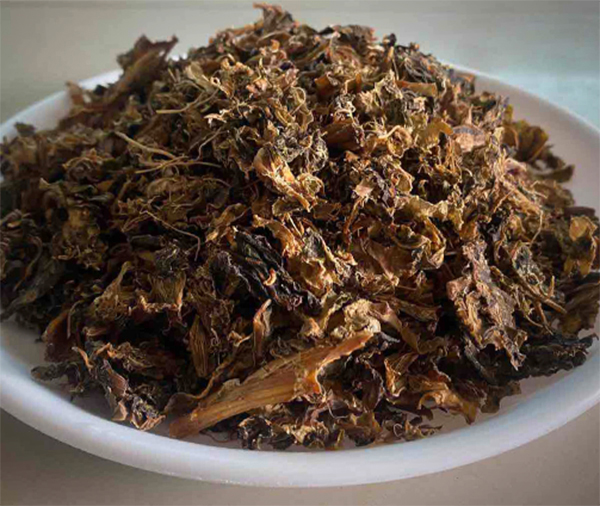
Australia has imposed an immediate ban on the import of several plant-based food products from Nepal, including gundruk, millet, soybean, maize, and buckwheat, following serious biosecurity and quarantine concerns. The restriction was enforced by Australia’s National Plant Protection Organization (NPPO) after insects were discovered in imported Nepali consignments and fumigation documents submitted by exporters were found to be unreliable.
According to officials from Nepal’s Plant Quarantine and Pesticide Management Centre, the issue stems from procedural irregularities in the export process. Under international quarantine rules, phytosanitary certificates must be issued by the country where fumigation treatment is actually carried out. Since Nepal does not currently have Australia-approved fumigation facilities using methyl bromide gas, Nepali exporters had been sending products to Kolkata, India, for treatment before shipping them to Australia.
However, investigations revealed cases where fake or questionable documents were prepared claiming products had already undergone fumigation treatment in Kolkata while the goods were still physically located in Nepal. This raised major concerns for Australian authorities regarding the authenticity of Nepal’s quarantine certification system.
As a result, Australia has instructed Nepal either to establish internationally recognised fumigation and treatment facilities within the country or to obtain official re-export phytosanitary certificates directly from Indian authorities after treatment in India. Until these conditions are met, the import restriction on Nepali plant-based food products will remain in place.
The ban is expected to have a significant economic impact on Nepal’s agricultural exports and foreign currency earnings. In the last nine to ten months alone, Nepal exported agricultural goods worth around Rs 1.5 billion to Australia, while imports from Australia reached approximately Rs 10 billion. Officials fear the suspension of exports will further widen Nepal’s already large trade deficit with Australia.
The restriction is also likely to affect Nepali communities living in Australia, where products such as gundruk and millet are commonly consumed and sold in Nepali grocery stores.
Nepal’s Ministry of Agriculture and Livestock Development confirmed that efforts had previously begun to establish a modern fumigation center near the Horticulture Center in Kirtipur. However, the project has been delayed due to a land dispute involving Tribhuvan University. Experts say the incident highlights Nepal’s urgent need to modernize its quarantine infrastructure and adopt internationally compliant processing and certification systems if it hopes to maintain and expand access to global agricultural markets.